
Yellow Box Junctions:
When Traffic Control Becomes a Revenue Trap
Published by the Consumer Protection Bureau (CPB) | 23 January 2026
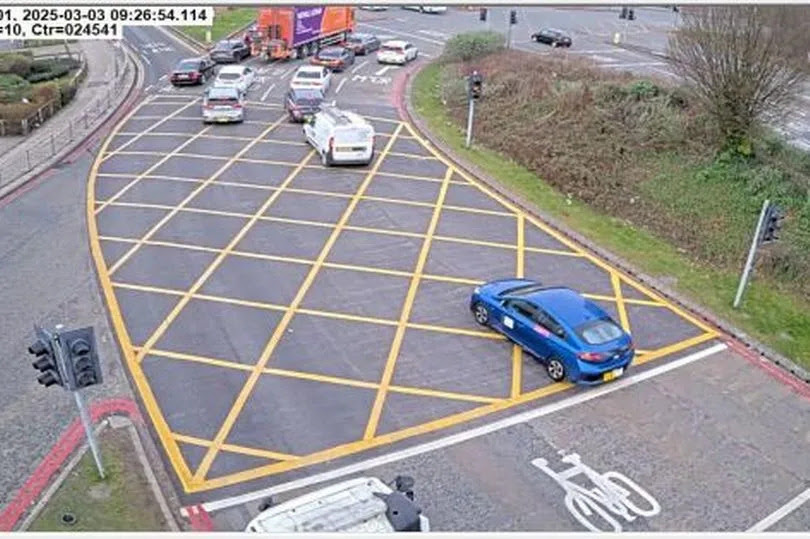
Yellow box junctions were created to serve a clear and sensible purpose: to prevent vehicles from blocking key intersections and to keep traffic flowing.
Yet across the UK, growing evidence suggests that many yellow box junctions are no longer being used primarily as traffic-management tools, but as highly efficient revenue mechanisms, enabled by legal ambiguity and automated enforcement.
.jpg)
.jpg)
The Legal Grey Area at the Heart of the Problem
Yellow box junctions are governed by the Traffic Signs Regulations and General Directions (TSRGD). However, the legislation fails to provide a clear statutory definition of what constitutes a “junction.”
This omission matters.
-
Where a yellow box begins and ends
-
How far it extends beyond the actual conflict area
-
Whether its size is proportionate to the junction it is meant to protect
In practice, this discretion has increasingly been exercised in favour of enforcement rather than fairness.
Oversized Boxes, Automated Penalties
Independent technical reviews of yellow box layouts across multiple local authority areas indicate that a significant proportion of yellow boxes extend well beyond the area where cross-traffic is affected.
In some cases, boxes are reported to be up to 50% larger than necessary, capturing vehicles that are not obstructing any junction at all.
-
Momentary traffic slowdowns trigger penalties
-
Context is ignored
-
Common-sense judgment is absent
-
Motorists are fined despite no actual obstruction occurring
The result is predictable: a sharp rise in Penalty Charge Notices (PCNs) and a steady income stream for councils.
When Compliance Becomes Impossible
Drivers are legally required not to enter a yellow box unless their exit is clear. However, oversized boxes make compliance unrealistic in congested conditions.
Motorists may enter lawfully, only to be penalised seconds later when traffic ahead unexpectedly slows — a factor entirely outside their control.
This is not about reckless driving.
It is about design-led enforcement.
Why This Is a Consumer Issue
Local authorities are public bodies with a duty to act:
- Proportionately
- Transparently
- In the public interest
Using ambiguously defined road markings and oversized layouts to maximise penalties raises serious concerns about fairness, accountability, and trust.
For many households, a £70 – £130 PCN is not a minor inconvenience. It is a material financial burden.
-
Enforcement objectives are being blurred with revenue incentives
-
Legal ambiguity is being exploited rather than corrected
-
Consumers are denied meaningful opportunity for fair challenge
Call for Evidence: Tell Us Your Experience
The Consumer Protection Bureau is now gathering evidence from motorists affected by yellow box enforcement.
If you have received a PCN relating to a yellow box junction, we invite you to share your experience with us.
- The location of the junction
- Whether cross-traffic was actually obstructed
- The outcome of any appeal
- Photographs or CCTV stills (where available)
CPB’s Role
The Consumer Protection Bureau works to expose unfair enforcement practices and advocate for proportionate, transparent, and accountable traffic management.
If you have been affected by yellow box enforcement, CPB encourages you to share your experience and seek advice.
Contact CPB for helpYellow box junctions
should manage
traffic,
not manufacture penalties.
Share this article to raise awareness